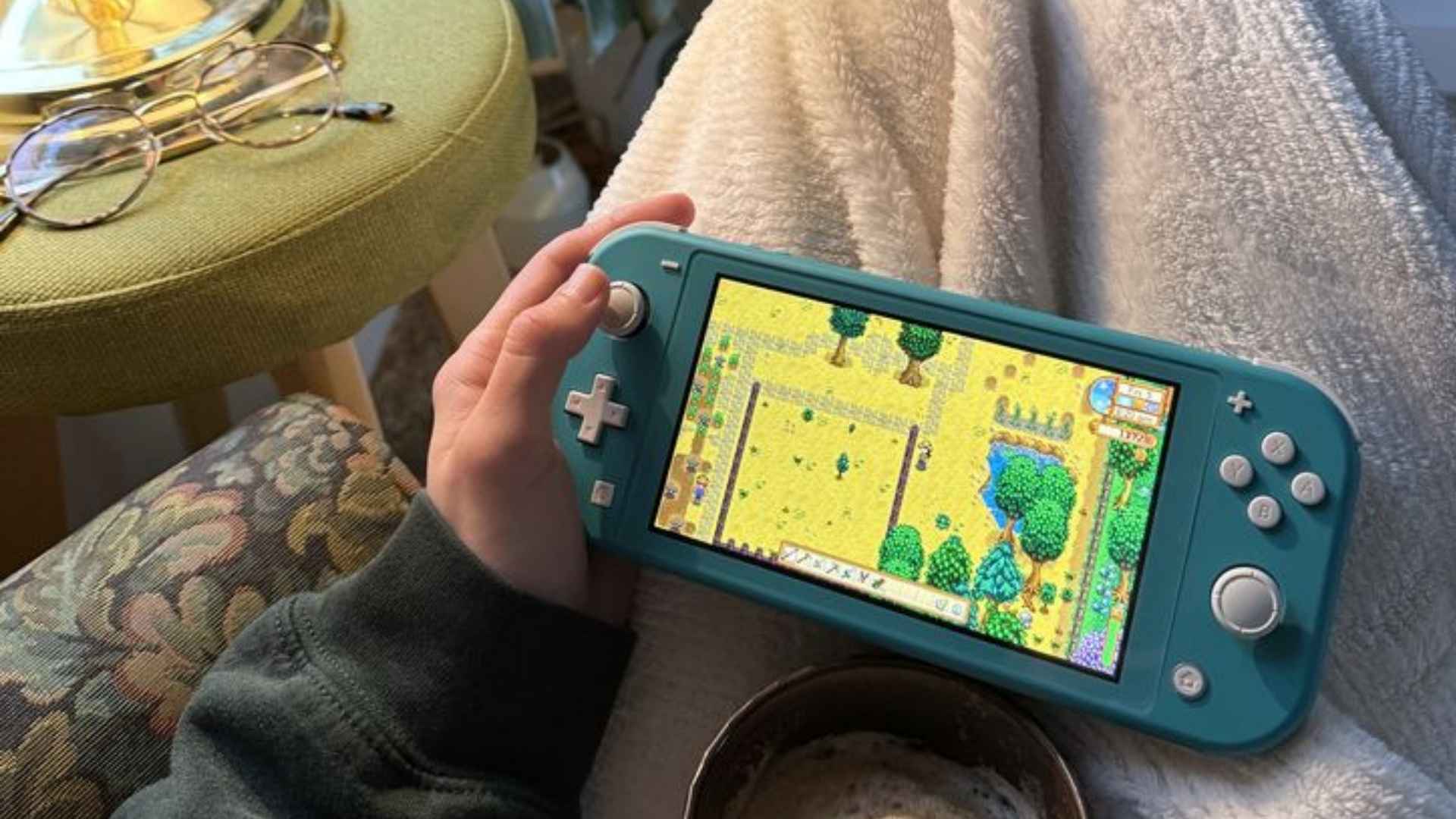
Engaging in tabletop gaming is far more than a simple way to pass a rainy afternoon or bond with friends over snacks. Many of these traditional activities are specifically designed to challenge our cognitive processes and help us develop foundational life skills. By stepping away from digital distractions and focusing on physical table layouts, players can actively train their minds in areas like strategic planning and emotional control.
The Cognitive Power of Analytical Planning
Many classic board games require players to process complex variables and project their decisions several turns into the future. This ongoing mental exercise helps strengthen working memory and refines our natural problem-solving abilities over time. Players who regularly tackle these tactical challenges often find it much easier to organize complicated real-world tasks.
Furthermore, learning to anticipate an opponent's next move fosters a highly useful cognitive flexibility that is beneficial in professional environments. Cultivating this mental foresight allows individuals to adapt quickly when unexpected obstacles disrupt their primary plans. As a result, the strategic habits practiced around a simple wooden table easily transfer into productive real-world skills.
Developing Social and Emotional Intelligence
Succeeding in multiplayer tabletop environments requires a deep understanding of human behavior, negotiation, and clear communication. Players must navigate delicate social dynamics, manage shared resources, and practice patience while waiting for their turn. This interactive setting offers a safe space to practice self-regulation and learn how to handle both victory and defeat gracefully.
These shared physical sessions naturally build stronger interpersonal bonds and teach participants how to read subtle non-verbal cues. For those looking to sharpen their strategic thinking in a dynamic virtual environment, exploring a reliable online platform like M88 link alternatif can provide an engaging space to practice decision-making. Over time, these social exercises help individuals communicate more persuasively and collaborate effectively within diverse teams.
Enhancing Probability and Risk Assessment
Almost every tabletop challenge involves a delicate balance between calculated risk and unpredictable elements, such as rolling dice or drawing cards. Navigating these scenarios teaches players how to evaluate mathematical probabilities quickly and make logical decisions under pressure. Instead of relying purely on luck, successful players learn to minimize the house advantage through disciplined planning.
This continuous practice of weighing potential rewards against potential losses builds a healthy, balanced perspective on risk-taking. Individuals become more comfortable making critical decisions when faced with incomplete information or uncertain future outcomes. Developing this analytical mindset is incredibly valuable for managing personal finances and evaluating major career choices.
Building Resilience Through Iterative Learning
One of the greatest benefits of traditional gaming is the immediate feedback loop it provides to every participant. When a chosen strategy fails, players can immediately analyze their mistakes and adjust their approach in the very next round. This iterative process teaches us that failure is simply a vital stepping stone toward eventual mastery.
Embracing this constructive mindset helps players develop a strong sense of personal resilience that remains useful throughout their lives. Rather than feeling discouraged by setbacks, resilient individuals view difficult challenges as exciting opportunities to learn and grow. Ultimately, the cognitive and emotional strengths built around the gaming table help shape well-rounded, capable individuals.