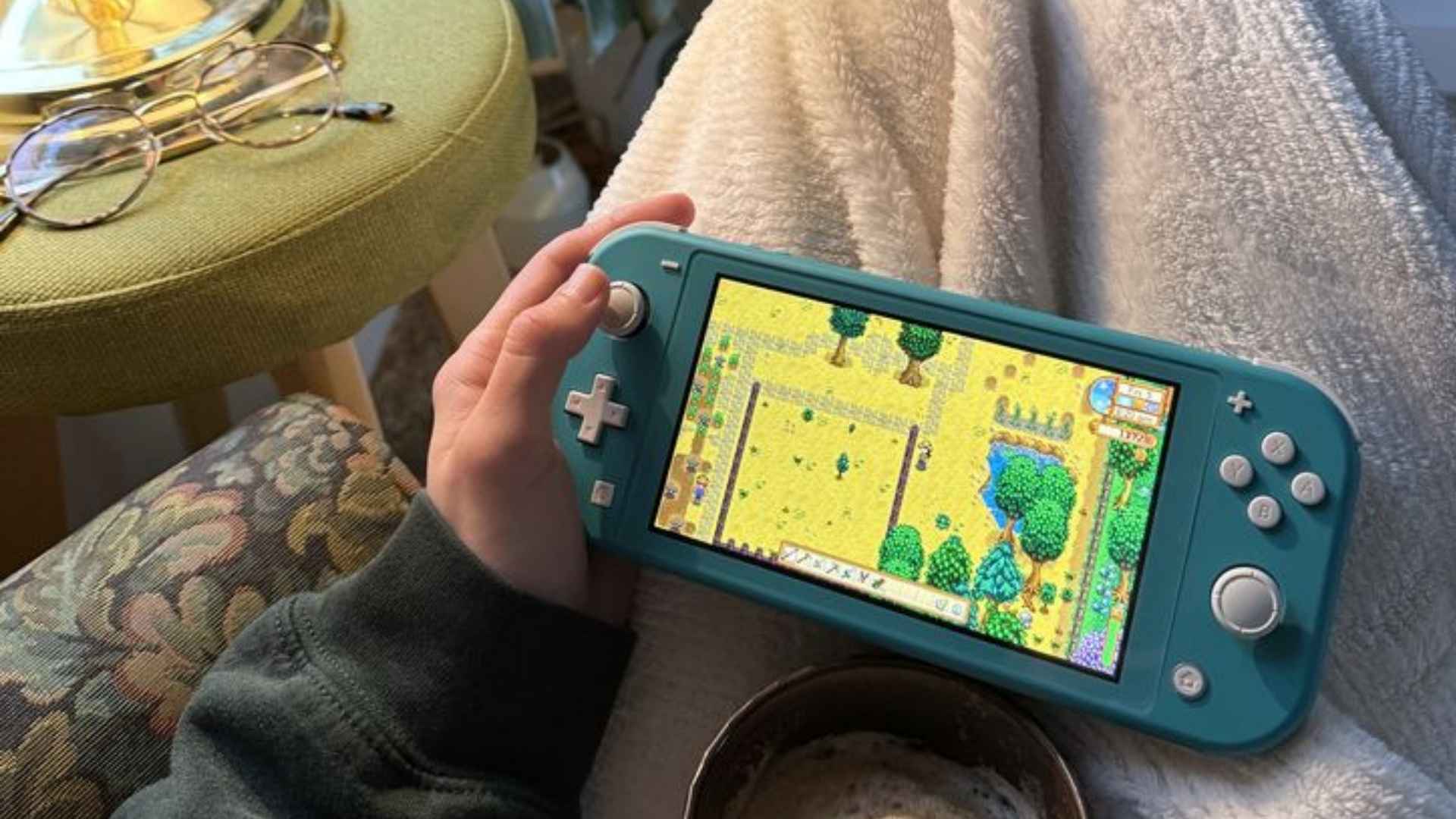
The modern digital landscape has seen a significant shift toward collaborative gaming experiences that require deep coordination and collective effort. Modern matchmaking systems ensure that global players can easily unite to conquer complex scenarios. These cooperative ecosystems foster strong bonds as participants rely on each other to achieve shared operational victories.
The Rise of Shared Objectives
Unlike traditional formats that focus purely on individual high scores, modern titles emphasize large-scale collective triumphs. Communities get formed almost automatically when players are given complex puzzles that require diverse skills to solve. This transition turns solitary entertainment into a vibrant social arena where strategy is paramount.
To explore digital spaces that support dynamic operational activities, enthusiasts can check out the M88 link alternatif for various online platforms. Finding a reliable hub allows players to safely test their coordination in ever-evolving virtual environments. Working seamlessly together helps teams minimize conflict and maximize their overall efficiency during high-stakes scenarios.
Designing Cooperative Frameworks
Game developers rely on specific design patterns to create engaging real-time challenges that demand open communication. Implementing complementary roles ensures that each team member contributes a unique capability to the group. This balanced dynamic keeps the gameplay satisfying and prevents individual players from dominating the mission.
Furthermore, regular updates and seasonal events introduce fresh content that keeps the community fully engaged. These evolving obstacles require teams to constantly refine their communication and adapt their tactics on the fly. It is a compelling environment where collective dedication transforms basic mechanics into complex victories.
Building Resilience Through Communication
Engaging in structured online challenges offers meaningful benefits beyond simple entertainment by building real-world social skills. Teams that face punishing mechanics together develop high emotional intelligence and stronger interpersonal trust. Overcoming these shared difficulties ultimately helps digital communities form lasting connections that persist outside the game.
As virtual reality and multiplayer platforms continue to grow, the opportunities for interactive team building will become even more sophisticated. Modern players value these spaces because they offer immersive ways to practice leadership and collaborative problem-solving. The future of interactive entertainment lies in these deeply connected, strategic environments.