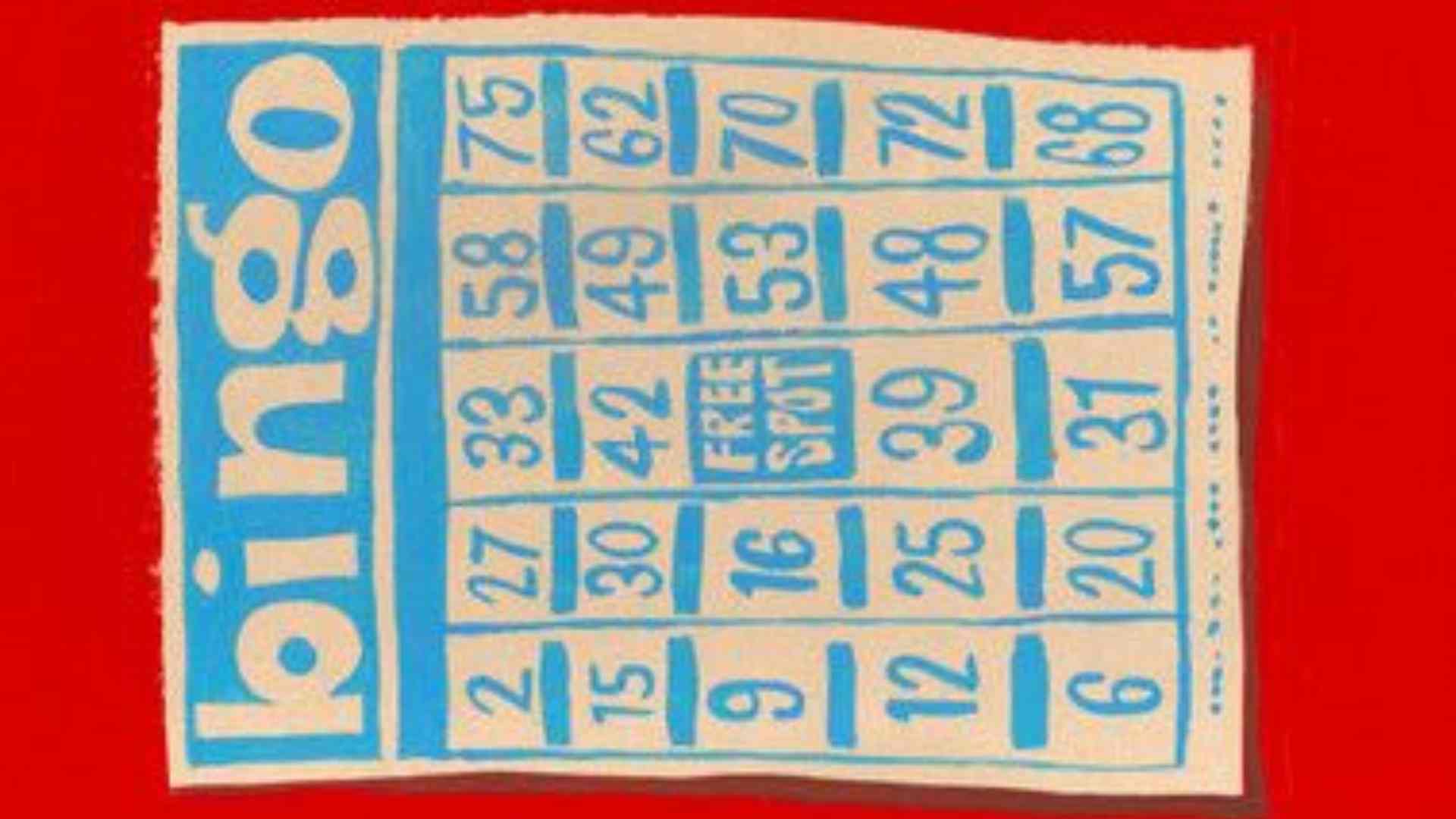
While people often use the terms interchangeably in daily conversation, betting and gambling actually carry distinct nuances in the world of risk and probability. Both activities involve placing monetary stakes on an uncertain outcome, but the underlying mechanisms and levels of control differ significantly. Understanding these subtle boundaries helps participants approach both practices with greater clarity and awareness.
Defining Gambling and Pure Chance Mechanics
Gambling primarily centers on games where randomness dictates the final result, leaving little room for personal strategy. Activities like roulette, slot machines, and lottery draws rely on fixed mathematical probabilities and random number generators. Because players cannot influence the outcome through research, gambling remains fundamentally a form of luck-based entertainment.
The thrill of gambling comes from the unpredictability of every round, regardless of past results. Over time, the house edge ensures that the operator maintains a statistical advantage over participants. Recognizing this balance prevents individuals from misinterpreting pure luck as a repeatable skill.
Understanding Betting and Strategic Analysis
Betting generally refers to placing a wager on a specific event, often tied to sports, racing, or real-world events. Unlike pure games of chance, betting allows participants to study historical data, performance metrics, and external conditions before committing funds. Informed decisions can help bettors identify favorable odds offered by platforms such as m88 sport when evaluating global event markets.
While outcome predictability is never guaranteed, knowledge plays a substantial role in reducing uncertainty. Handicappers analyze team form, weather, and injury reports to estimate probabilities more accurately than a casual guess. This reliance on research makes betting feel more analytical compared to traditional casino gaming.
The Role of Skill Versus Randomness
The primary distinction between the two lies in how much control a participant exercises over the final decision. In gambling, no amount of preparation can alter the sequence of cards dealt or the landing spot of a wheel. In contrast, sports betting rewards analytical discipline and deep familiarity with the sport in question.
However, it is vital to acknowledge that risk remains present in both practices regardless of skill level. Unexpected variables, such as a referee penalty or sudden player injury, can derail even the most thoroughly researched bet. Ultimately, neither activity offers guaranteed financial returns, maintaining the boundary between strategic prediction and risk.
Regulatory and Cultural Perceptions
Governments and regulatory bodies around the world often categorize betting and gambling under separate legal frameworks. Sports wagering is frequently regulated under specialized sports frameworks, while commercial casinos fall under broader gaming legislation. Public perception also reflects this divide, viewing sports handicapping as a hobby of expertise while casino gaming is seen as pure leisure.
Regardless of how an activity is categorized, practicing responsible management remains essential for long-term enjoyment. Setting clear budgets, recognizing personal boundaries, and keeping wagering strictly as a form of entertainment ensure a safe experience across all platforms.