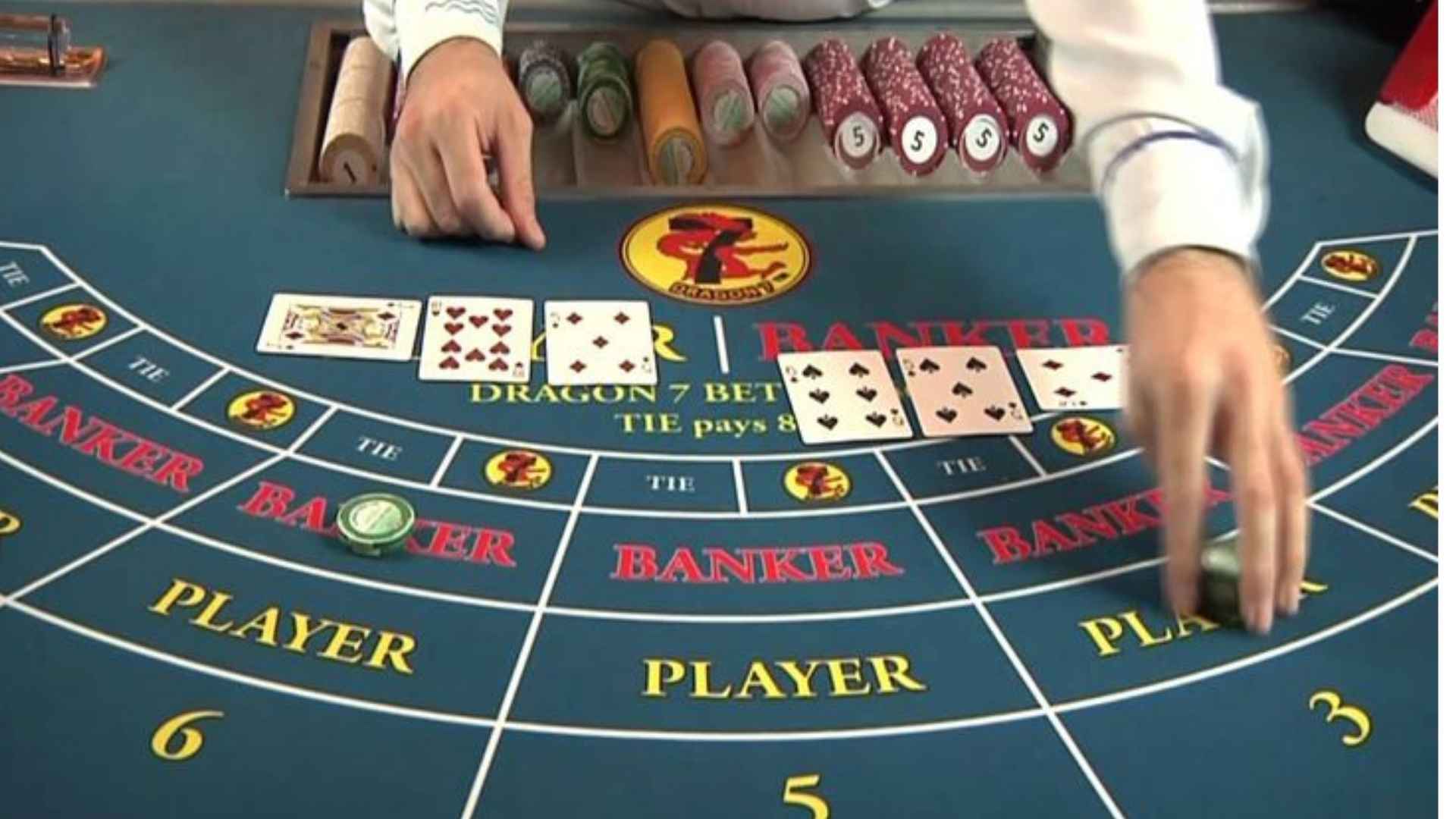
Throughout continental history, the physical card table has served as a vital cornerstone for community engagement and cultural convergence. Long before digital networks redefined human connectivity, people from diverse backgrounds gathered around wooden surfaces to share stories, deliberate on local politics, and test their tactical intuition. These physical arrangements established a unique micro-environment where rigid social structures temporarily dissolved in favor of mutual entertainment and intellectual competition.
The Architecture of Continental Gaming Salons
In the seventeenth and eighteenth centuries, European gaming rooms were intentionally designed to foster intense social intimacy and structured interactions. Premium card tables were typically positioned at the center of drawing rooms, acting as the primary attraction for evening guests. This deliberate arrangement transformed private salons into dynamic hubs where diplomatic alliances were quietly negotiated alongside shifting game points.
The physical design of these antique tables reflected the communal priorities of the era, offering comfortable seating for large groups of active participants and surrounding spectators. By clustering players closely together, the physical environment naturally enhanced conversation and allowed subtle psychological gestures to become central to the experience. This shared architectural approach ensured that every card dealt was as much about human relationships as it was about random outcomes.
How Card Rooms Bridged Diverse Social Classes
While early salons catering to the aristocracy maintained strict behavioral guidelines, public coffeehouses and taverns introduced an entirely different version of table socialization. In these bustling urban venues, merchants, travelers, and local workers sat face-to-face over shared decks of cards. This unique integration allowed individuals from varying economic positions to interact on equal terms through the shared language of game mechanics.
As these traditional customs traveled across regional borders, the rules of popular card games evolved to place greater emphasis on community decisions and shared financial responsibility. Modern enthusiasts seeking a similar blend of community and interactive strategic options can explore platform updates via m88 m88lu.io to see how classic table configurations have shifted. This digital transition successfully mirrors the historic balancing of risks while adjusting to contemporary convenience.
The Lasting Legacy of Manual Table Rituals
The cultural traditions established around early European card tables continue to influence modern perceptions of hospitality and leisure entertainment. The manual rituals of shuffling, dealing, and tracking cumulative point totals required focused mental stamina and continuous interpersonal accountability. These shared customs helped build mutual trust among participants, ensuring that even high-stakes contests maintained a sense of dignity and decorum.
Ultimately, analyzing the history of card tables across Europe highlights the deep human desire for shared spaces centered around active participation. While modern automated platforms provide instant results and streamlined interfaces, the foundational rules of early variants remind us that tabletop gaming was originally an immersive social event. By preserving these historic dynamics, contemporary players gain a much richer appreciation for the global heritage of tabletop culture.